
Using braces and clear aligners, Dr. Cordes is able to solve the majority of orthodontic issues our patients have, but in cases of severe bite misalignments, sometimes orthognathic surgery is the only solution. Dr. Cordes will work with one of his hand-picked oral surgeons to perform these kinds of procedures while keeping a patient completely comfortable. After orthognathic surgery from our Enfield, CT orthodontist, patients will experience an easy recovery as well as a much more functional and attractive smile. Keep reading to learn more about this procedure or give us a call to schedule your consultation.

Also called corrective jaw surgery, orthognathic surgery is often used to correct pronounced overbites and underbites that are too advanced for regular orthodontics alone. They are typically needed when one jaw has developed much slower than the other one, leading to an imbalance in the bite. At a consultation with Dr. Cordes, he will let you know whether you or your child could benefit from this type of treatment.
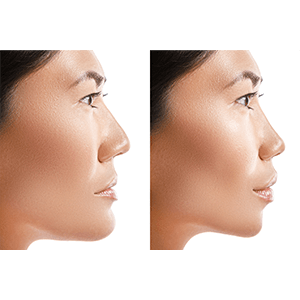
This procedure is performed under general anesthesia to keep you comfortable throughout your appointment. Your surgeon will make small incisions, usually inside the mouth, to access the jaw. Depending on your needs, the jaw can be shortened by removing a small portion of bone or lengthened to improve alignment. The bone may also be reshaped or repositioned before being secured with small plates, screws, or wires.
A splint might be placed over the teeth to help stabilize the jaw during healing. Since every procedure is different, the specific steps can vary. In many cases, orthognathic surgery is a complex process that can take about one to four hours to complete.

After surgery, our team will guide you on eating, oral hygiene, and what to expect during recovery. A soft or liquid diet will be necessary at first, with meal suggestions to help you maintain good nutrition without chewing. Keeping your mouth clean may also require some adjustments while swelling and surgical areas heal.
Plan for about a week of recovery at home. Swelling is typically greatest around 48-72 hours and gradually improves over the following one to two weeks. After three to six weeks, Dr. Cordes will check your progress and determine when active orthodontic treatment can resume.

When the upper and lower jaws don’t develop in proper proportion, the teeth end up not meeting correctly. This can lead to an overbite or underbite and can affect everyday functions like chewing. An uneven bite can also place extra strain on the jaw, potentially contributing to problems such as TMJ discomfort, bruxism, jaw stiffness, and uneven tooth wear. By correcting the underlying jaw imbalance, you can help improve how your teeth and jaws work together.